Animal Mix Nursery Wall Art: 20 Charming Designs for Every Space
Understanding the Visual Appeal and Character
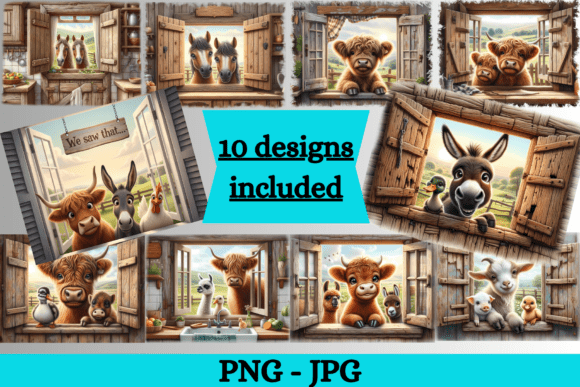
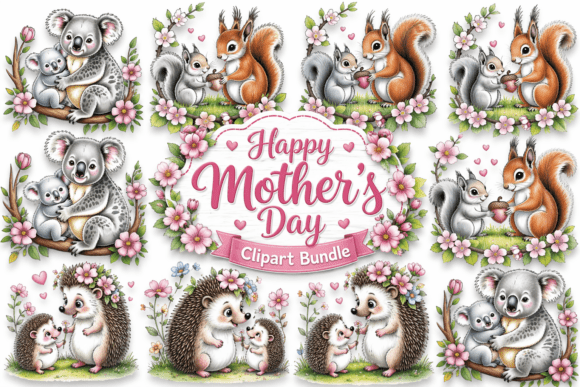
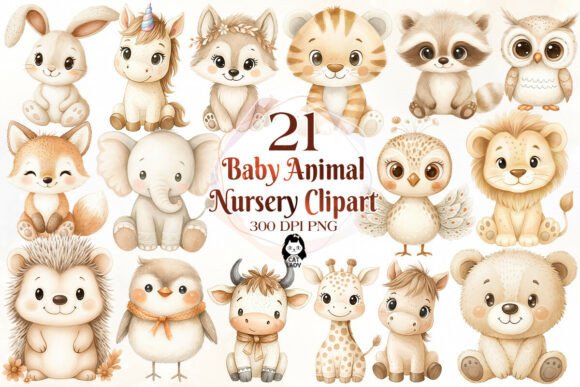
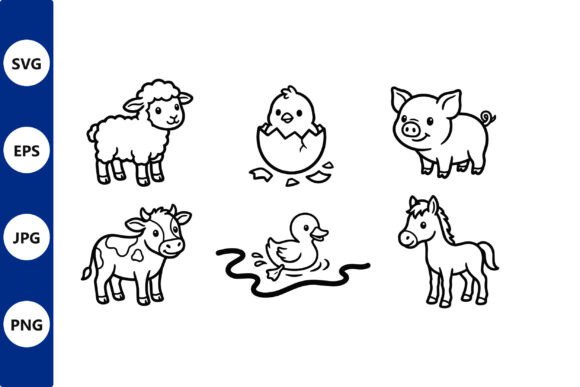
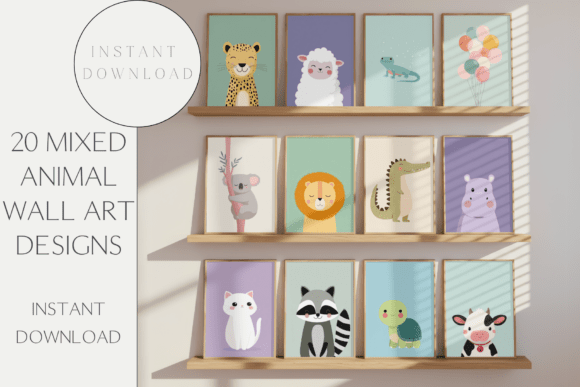
The "Animal Mix" Nursery Wall Art collection represents a specific aesthetic that balances whimsy with sophistication. Visually, these designs often feature stylized illustrations—perhaps watercolor washes, gentle line art, or soft digital textures—of various animals. The personality is inherently friendly, approachable, and nurturing, making it ideal for spaces intended for children but not exclusively so. The overall appeal lies in its versatility; the art can feel playful in a nursery, calming in a reading nook, or cheerful in a family room. Unlike overly cartoonish designs, a well-executed animal mix tends to use a harmonious color palette and balanced composition, allowing it to integrate into various interior styles without overwhelming the decor. These are not just random animal drawings; they are curated design assets intended to create a cohesive visual narrative.
Practical Applications Beyond the Nursery Wall
While the immediate use case is clear—adorning the walls of a child's bedroom or playroom—the utility of this collection extends much further. For entrepreneurs and small business owners in the print-on-demand space, these high-resolution (300 dpi) images are a foundational resource. They can be adapted for fabric patterns, custom phone cases, throw pillows, or tote bags. The digital files serve as a starting point for physical products. For content creators and bloggers, a single animal illustration can become a recurring motif in branding materials, social media graphics, or as accent elements in editorial layouts. The key is to view these not merely as "wall art prints" but as a versatile library of creative assets. The consistency in style across the 20 designs allows for building a recognizable visual theme across multiple products or projects.
Integrating Animal Art into Brand and Design Strategy
Choosing design elements like the Animal Mix Nursery Wall Art collection is a strategic decision that influences audience perception. For a brand targeting families, educators, or eco-conscious consumers, these illustrations can soften a visual identity, making it feel more human and relatable. In packaging design for children's products or boutique goods, a carefully selected animal motif can enhance shelf appeal and tell a subtle story about the product's character. The style of the art—whether it leans towards a modern, minimalist line drawing or a more textured, vintage-inspired illustration—should align with the brand's core personality. A cohesive use of such imagery across a website, social media, and print materials strengthens brand recognition. It demonstrates attention to detail and a curated aesthetic, which builds trust and professionalism.
Key Considerations for Effective Use
Before integrating these designs, a practical evaluation is necessary. First, assess the color palette of the art against your project's existing color scheme. Does it complement or clash? Second, consider scale and resolution. The 300 dpi files are high-quality, but resizing for a very large format like a poster requires careful testing to maintain sharpness. Third, think about font pairing if you plan to add text. A playful handwritten font might suit a nursery print, but for a more sophisticated brand application, pairing the animal art with a clean sans-serif or a simple serif font creates better visual hierarchy and readability. Remember the licensing terms: these files are for your use in creating end products, but you cannot resell the original digital files or use them to create competing digital assets like clip art sets. This protects the value of the collection while giving you broad creative freedom for physical goods and your own branded materials.
From Digital File to Tangible Product: A Workflow
Turning these animal mix designs into finished items involves a straightforward process. Start by selecting the illustration that best fits your product concept or room's color story. Use image editing software to adjust colors if needed, ensuring they match your brand guidelines or room decor. For physical prints, ensure your printer or print-on-demand service is set to the correct color profile (like CMYK for print) to avoid unexpected shifts. When designing for merchandise, think about placement. A central animal portrait works for a pillow, while a repeating pattern of smaller elements might be better for fabric. For digital use, such as a blog header or social media post, the art can be layered with text and other graphic elements. The instant download nature of these files means you can start prototyping immediately, testing how the design looks in context before committing to a final production run. This agility is invaluable for small businesses and creators testing new product ideas.
Maintaining a Cohesive Aesthetic Across Projects
The true power of a collection like this is in its potential for consistency. If you use one animal design for a nursery wall print, consider using another from the same set for a coordinating growth chart or a set of milestone cards. This creates a designed environment rather than a random assortment of items. For a business, this could mean using a consistent animal illustration across product packaging, your website's about page, and thank-you cards inserted with orders. Such consistency reinforces brand identity and makes the experience feel intentional and premium. It transforms a simple transaction into a memorable brand interaction. When selecting from the 20 designs, think in terms of a mini-capsule collection—choosing a few that work well together to build a stronger, more unified visual story for your space or your brand.